The Benefits of Synthetic Oil vs Conventional Motor Oil
Serving Cache Valley & SE Idaho
435-752-0140
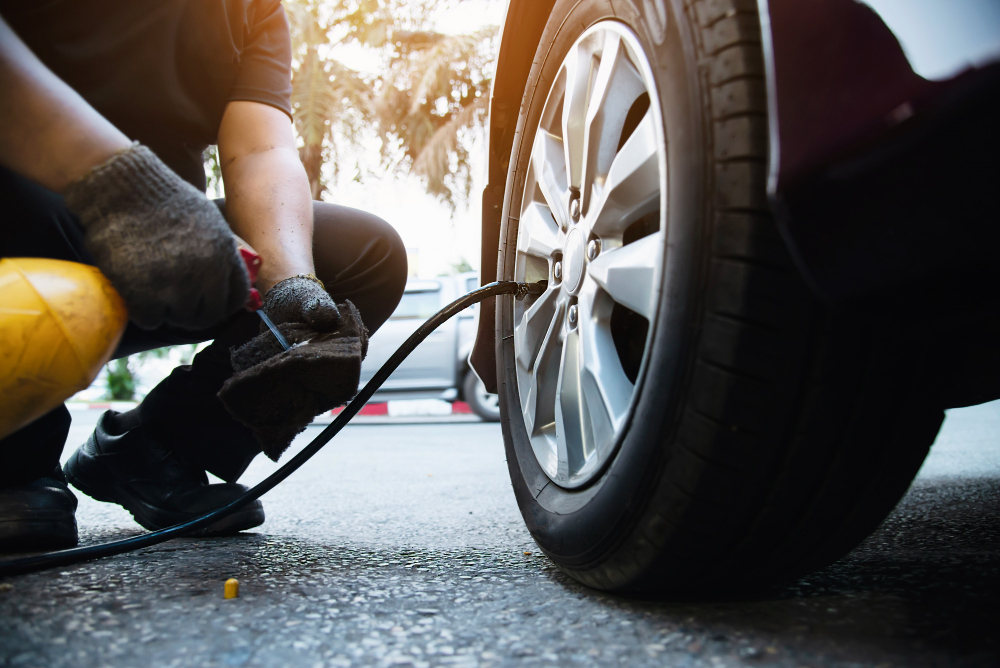
Most vehicle owners understand the importance of regular maintenance, such as oil changes, tire rotation, and the like. However, one of the most crucial aspects of maintaining a vehicle is tire pressure.
Maintaining the proper tire pressure is essential for both fuel efficiency and safety. Thus, this seemingly small aspect of car care can have significant effects on your driving experience and even your pocketbook.
Ensure your car is as efficient as possible by following the tire pressure tips provided in this article. If you still have questions when you are done, contact the exerts at Ethan’s Honest Automotive. We are the Cache Valley and Southeastern Idaho’s source for excellent mechanic services.
But first, let’s begin our discussion on the link between tire pressure and fuel efficiency and safety.
Maintaining the correct tire pressure is essential for the fuel efficiency and safety of your vehicle. The best place to start when looking for this information is your owner’s manual. Each manufacturer will provide their tire pressure recommendations there. The recommended pressure is usually given in pounds per square inch (PSI).
Always take the manufacturer’s recommendations into account. Their recommended PSI will ensure your vehicle has the right amount of contact with the road, providing the best possible performance under normal driving conditions.
The manufacturer recommended tire pressure is a perfect place to start for every car owner. However, sometimes determining the optimal tire pressure is not as straightforward as just following the manufacturer’s label. You may also need to consider several factors, including the following.
Clearly, tire pressure is an essential component of the overall functioning of your vehicle. But how does it impact fuel efficiency specifically?
We answer that question below.
Tires that have too much or too little pressure can negatively affect fuel efficiency. But, under-inflated tires are particularly detrimental. Under-inflated tires create more rolling resistance, meaning your engine has to work harder to move the vehicle forward. This increased effort results in higher fuel consumption, which can significantly impact how much you spend on fuel.
The financial impact of fuel efficiency is not the only factor to keep in mind. There is also the environmental impact of your car. Lower fuel consumption means fewer emissions, contributing to a cleaner environment. So, by simply maintaining the correct tire pressure, you are not only benefiting your bank account but also helping the planet.
You should always maintain the proper tire pressure for fuel efficiency. However, there are also safety concerns to consider.
Both under-inflated tires and over-inflated tires can make your vehicle less safe.
Now that you understand how crucial tire pressure is for fuel efficiency and safety, it is time to explain how to maintain proper tire pressure in your vehicle. Follow these steps to ensure your car always has the correct tire pressure.
Proper tire pressure not only enhances fuel efficiency but also extends tire life and improves overall safety on the road. By regularly checking and adjusting your tire pressure according to the manufacturer’s recommendations and considering factors like load, temperature, and driving conditions, you can ensure that your vehicle performs at its best.
But you do not have to be responsible for maintaining the right tire pressure on your own. The experts at Ethan’s Honest Automotive are here to help you every step of the way. From scheduled maintenance to complete system overhauls, we can do everything your car needs to be safe and fuel-efficient.
Contact our team today!
ETHAN'S HONEST AUTOMOTIVE SERVICE & REPAIR
Cache Valley:
Southeast Idaho
